Filters
SCSA-Submission-for-the-DVA-Amendment-Bill_24-April
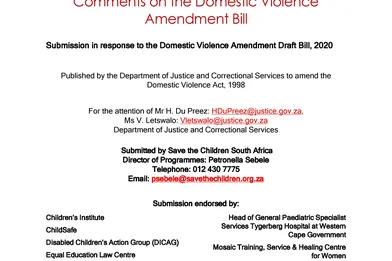
Save the Children South Africa's comments on the Domestic Violence Amendment Bill. This is summited in response to the Domestic Violence Amendment Draft Bill, 2020, which is published by the Department of Justice and Correctional Services to amend the Domestic Violence Act, 1998.
2019-Financial-Statements
2019-Financial-Statements
Stop-the-War-on-Children-2020-Report
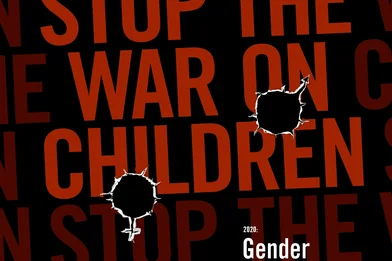
This is the third report in Save the Children's 'Stop the War on Children' series. It reveals shocking trends in the threats to the safety and wellbeing of children living in areas impacted by conflict. In 2018, verified grave violations against children reached a record high.
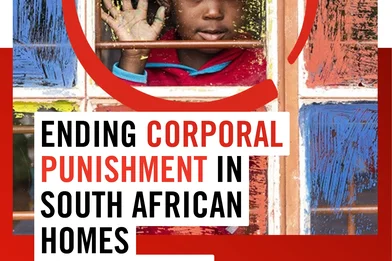
Research-Brief_Corporal-Punishment
Children who grow up with violence in the home learn early and powerful lessons about the use violence to dominate others. Many studies have found that a child’s experience of corporal punishment is associated with higher level of aggression and anti-social behaviour.
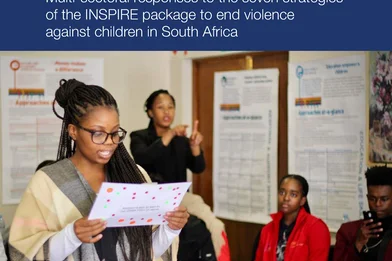
INSPIRE-Report-August-2019
In April 2019 the Institute for Security Studies and Save the Children South Africa partnered to convene a series of workshops to gather information about how the country is responding to prevent and reduce violence against children.
The-National-Child-Participation-Framework-(Child-Friendly-Version))
Children have a right to actively participate in decisions, processes, programmes and policies that affects their lives. Being able to
participate further helps children to also realise other rights such as access to health care. This participation of children depends
on the state and all organisations working with children and families to protect, respect and promote the rights of all children.
This obligation is also stated in the United Nations Convention on the Rights of the…
The-National-Child-Participation-Framework
Children have a right to actively participate in decisions, processes, programmes and policies that affects their lives. Being able to
participate further helps children to also realise other rights such as access to health care. This participation of children depends
on the state and all organisations working with children and families to protect, respect and promote the rights of all children.
This obligation is also stated in the United Nations Convention on the Rights of the…
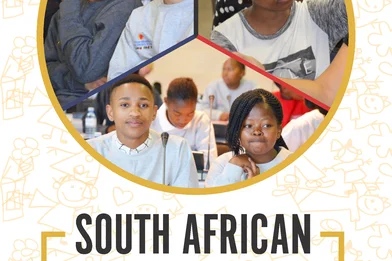
National Children's Manifesto
The National Children's Manifesto urges government and several stakeholders, to translate the children’s rights enshrined in the Constitution of the Republic South Africa into a living reality. The manifesto , which was written by children, touches on several issues including child protection, education and health.
Filters
SCSA-Submission-for-the-DVA-Amendment-Bill_24-April
Save the Children South Africa's comments on the Domestic Violence Amendment Bill. This is summited in response to the Domestic Violence Amendment Draft Bill, 2020, which is published by the Department of Justice and Correctional Services to amend the Domestic Violence Act, 1998.
2019-Financial-Statements
2019-Financial-Statements
Stop-the-War-on-Children-2020-Report
This is the third report in Save the Children's 'Stop the War on Children' series. It reveals shocking trends in the threats to the safety and wellbeing of children living in areas impacted by conflict. In 2018, verified grave violations against children reached a record high.
Research-Brief_Corporal-Punishment
Children who grow up with violence in the home learn early and powerful lessons about the use violence to dominate others. Many studies have found that a child’s experience of corporal punishment is associated with higher level of aggression and anti-social behaviour.
INSPIRE-Report-August-2019
In April 2019 the Institute for Security Studies and Save the Children South Africa partnered to convene a series of workshops to gather information about how the country is responding to prevent and reduce violence against children.
The-National-Child-Participation-Framework-(Child-Friendly-Version))
Children have a right to actively participate in decisions, processes, programmes and policies that affects their lives. Being able to
participate further helps children to also realise other rights such as access to health care. This participation of children depends
on the state and all organisations working with children and families to protect, respect and promote the rights of all children.
This obligation is also stated in the United Nations Convention on the Rights of the…
The-National-Child-Participation-Framework
Children have a right to actively participate in decisions, processes, programmes and policies that affects their lives. Being able to
participate further helps children to also realise other rights such as access to health care. This participation of children depends
on the state and all organisations working with children and families to protect, respect and promote the rights of all children.
This obligation is also stated in the United Nations Convention on the Rights of the…
National Children's Manifesto
The National Children's Manifesto urges government and several stakeholders, to translate the children’s rights enshrined in the Constitution of the Republic South Africa into a living reality. The manifesto , which was written by children, touches on several issues including child protection, education and health.
Filters
SCSA-Submission-for-the-DVA-Amendment-Bill_24-April
Save the Children South Africa's comments on the Domestic Violence Amendment Bill. This is summited in response to the Domestic Violence Amendment Draft Bill, 2020, which is published by the Department of Justice and Correctional Services to amend the Domestic Violence Act, 1998.
2019-Financial-Statements
2019-Financial-Statements
Stop-the-War-on-Children-2020-Report
This is the third report in Save the Children's 'Stop the War on Children' series. It reveals shocking trends in the threats to the safety and wellbeing of children living in areas impacted by conflict. In 2018, verified grave violations against children reached a record high.
Research-Brief_Corporal-Punishment
Children who grow up with violence in the home learn early and powerful lessons about the use violence to dominate others. Many studies have found that a child’s experience of corporal punishment is associated with higher level of aggression and anti-social behaviour.
INSPIRE-Report-August-2019
In April 2019 the Institute for Security Studies and Save the Children South Africa partnered to convene a series of workshops to gather information about how the country is responding to prevent and reduce violence against children.
The-National-Child-Participation-Framework-(Child-Friendly-Version))
Children have a right to actively participate in decisions, processes, programmes and policies that affects their lives. Being able to
participate further helps children to also realise other rights such as access to health care. This participation of children depends
on the state and all organisations working with children and families to protect, respect and promote the rights of all children.
This obligation is also stated in the United Nations Convention on the Rights of the…
The-National-Child-Participation-Framework
Children have a right to actively participate in decisions, processes, programmes and policies that affects their lives. Being able to
participate further helps children to also realise other rights such as access to health care. This participation of children depends
on the state and all organisations working with children and families to protect, respect and promote the rights of all children.
This obligation is also stated in the United Nations Convention on the Rights of the…
National Children's Manifesto
The National Children's Manifesto urges government and several stakeholders, to translate the children’s rights enshrined in the Constitution of the Republic South Africa into a living reality. The manifesto , which was written by children, touches on several issues including child protection, education and health.